
This is the complete guide to Taj Mahal Quartzite, a natural quartzite from Bahia, Brazil. Whether you are a designer sourcing materials, a homeowner researching stone decor, or simply curious about the stone beneath your coffee cup, this page will give you the facts.
On this page: geological history, physical properties, color and pattern guide, famous uses, home decor applications, care guide, buying guide, FAQ, and product links.
The Geological History of Taj Mahal Quartzite
Quartzite is a hard metamorphic rock formed from quartz-rich sandstone. Taj Mahal Quartzite began as sandstone; under intense heat and pressure, the quartz grains recrystallized, creating an extremely hard, dense stone that resembles marble but rivals granite in durability.
The Taj Mahal Quartzite we use today was quarried in Bahia, Brazil. It formed during the Proterozoic era (approx. 1 billion years ago). With a Mohs hardness of 7.0, it is significantly harder than most decorative stones, making it exceptionally durable. Its density of 2.65 g/cm3 puts it in the moderate weight category for natural stone.
Physical Properties of Taj Mahal Quartzite
Understanding the physical properties of Taj Mahal Quartzite helps you make informed decisions about where and how to use it. These properties are not marketing claims; they are measurable geological characteristics that determine how the stone performs in real-world conditions.
| Property | Value | What It Means for You |
|---|---|---|
| Mohs Hardness | 7.0 | Scratch-resistant |
| Density | 2.65 g/cm3 | Moderate weight |
| Porosity | Very low | Stain-resistant |
| Acid Sensitivity | No | Acid-resistant |
| Sealing Required | No | No sealing needed |
| Finish Options | Polished, Honed | Multiple surface textures available |
Color and Pattern Guide
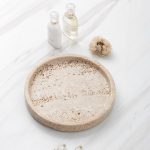
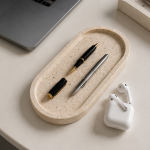
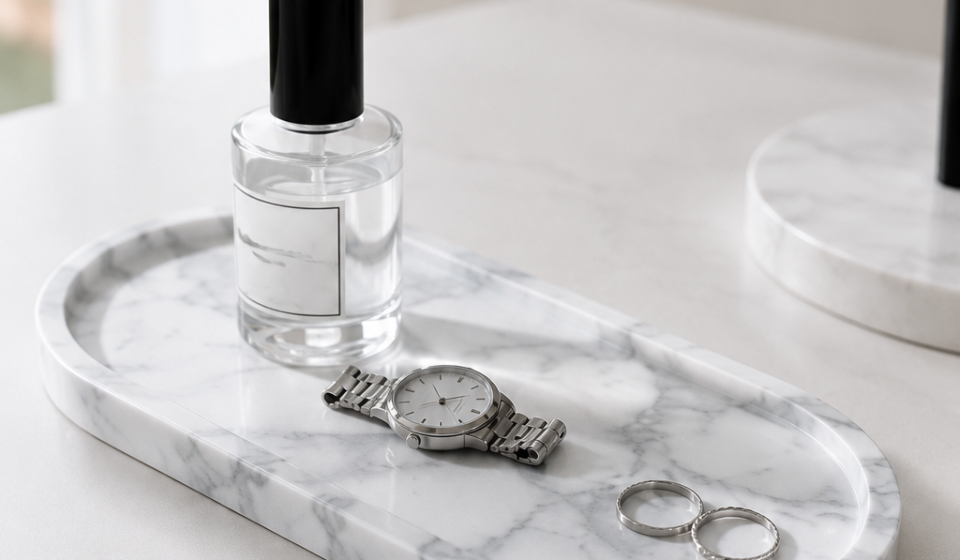
Look closely at a piece of Taj Mahal Quartzite and you will see calacatta-like gold veining on white-cream; looks like marble but harder than granite. The white-cream primary color is accented by gold veins, creating a visual character that is both natural and distinctive.
When evaluating Taj Mahal Quartzite, look for consistency in color saturation, clean veining (if applicable), and a surface free of cracks or fills (unless filled as part of the intended finish). The quality of polished finish is a good indicator of how well the stone was processed. A high-quality polished finish should be smooth, reflective (if polished), and free of haze.
Taj Mahal Quartzite in Architecture and Art
Taj Mahal Quartzite has been used in some of the world’s most significant architectural and artistic projects:
High-end kitchen countertops
Luxury residential
Designer surfaces
These projects demonstrate the stone’s enduring appeal across centuries and cultures. When you bring Taj Mahal Quartzite into your home, you are continuing a tradition of working with natural stone that stretches back to antiquity.
Taj Mahal Quartzite in Home Decor
Taj Mahal Quartzite is not a stone for every application. It performs best in specific contexts where its white-cream tones and quartzite character can be appreciated.
Best applications include:
Marble-look coasters
Durable luxury trays
Statement pieces
In minimalist and contemporary interiors, white and cream stones provide a clean canvas that lets other elements sing.
Buying Guide: Taj Mahal Quartzite
When shopping for Taj Mahal Quartzite, consider these factors:
Price tier: Taj Mahal Quartzite is typically found at a luxury price point reserved for the finest specimens.
Finish: Available finishes include polished, honed. Choose based on your aesthetic preference and maintenance tolerance.
Color consistency: Natural stone varies. If ordering multiple pieces, request stones from the same quarry batch.
Thickness: For functional pieces like trays and coasters, ensure adequate thickness (typically 1.5-2cm) for durability.
Origin verification: Ask where the stone was quarried. Authentic Taj Mahal Quartzite comes from Bahia, Brazil.
At Quarra Home, every Taj Mahal Quartzite piece is individually selected, hand-finished, and inspected before shipping.
Care & Maintenance
Taj Mahal Quartzite requires easy maintenance. No sealing required due to very low porosity. The surface is not acid-sensitive. Extremely hard; stain-resistant; no sealing required; marble beauty without marble maintenance
Care Checklist
- Clean with pH-neutral soap and warm water
- Wipe spills immediately
- Avoid abrasive cleaning tools
- No sealing needed
- Acid-resistant
- Use felt pads to protect furniture
Taj Mahal Quartzite vs Other Quartzites
How Taj Mahal Quartzite compares to other quartzite options:
| Stone | Color | Hardness | Porosity | Origin |
|---|---|---|---|---|
| Taj Mahal Quartzite | White-cream | 7.0 | Very low | Bahia, Brazil |
| Sea Pearl Quartzite | White-grey | 7.0 | Very low | Brazil |
Frequently Asked Questions
What is Taj Mahal Quartzite?
Taj Mahal Quartzite is a natural quartzite quarried in Bahia, Brazil. It features a white-cream base with gold veins. Formed during the Proterozoic era (approx. 1 billion years ago), it is one of nature’s most distinctive decorative stones.
Where does Taj Mahal Quartzite come from?
Taj Mahal Quartzite is quarried in Bahia, Brazil. The stone was formed during the Proterozoic era (approx. 1 billion years ago) through natural geological processes that took millions of years.
How hard is Taj Mahal Quartzite?
Taj Mahal Quartzite has a Mohs hardness rating of 7.0. This makes it very durable and resistant to scratching.
Is Taj Mahal Quartzite porous?
Taj Mahal Quartzite has very low porosity. This means it is highly resistant to staining and liquid absorption.
How do you care for Taj Mahal Quartzite?
Clean Taj Mahal Quartzite with pH-neutral soap and warm water. No sealing is required. The surface is acid-resistant.
What is Taj Mahal Quartzite best used for?
Taj Mahal Quartzite is best suited for marble-look coasters, durable luxury trays, statement pieces. Its white-cream coloration and calacatta-like gold veining on white-cream; looks make it particularly effective in these applications.
How much does Taj Mahal Quartzite cost?
Taj Mahal Quartzite is positioned at a luxury price tier. It is among the most exclusive natural stones available.
Related Stone Guides
Explore other quartzite guides: