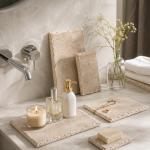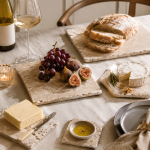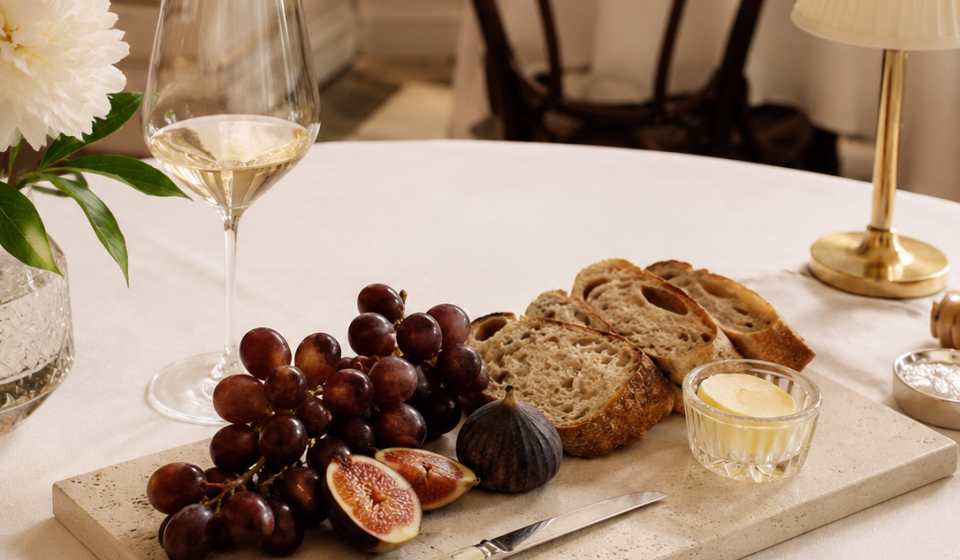
How to Style and Care for a Travertine Serving Tray: A Practical Natural Stone Guide

A travertine serving tray is one of those rare objects that gets better the more you live with it — but only if you know how to place it, style it and care for it. This is the practical companion to our product story: a plain-language guide to making a natural stone tray feel intentional in your home, and to keeping its warm patina for years. Whether you chose the Vintage Natural Travertine Serving Tray or are still deciding, the ideas below work for any travertine piece.
Choosing the Right Spot
Travertine has a quiet, grounded presence, which means it rarely fights a room. The trick is to give it a flat, visible surface where it can do its quiet work:
- Kitchen counter — a fruit tray that turns groceries into a still life.
- Dining table — shared service for cheese, bread or dessert.
- Entryway — keys, mail and a small object, contained and calm.
- Coffee table — a low vignette of vessels and a book.
- Open shelf — on its own, as a piece of decor that needs nothing else.
Notice none of these require a special occasion. A natural stone tray earns its place in daily life, not just at dinner parties. For the material background, our Stone Library explains where travertine comes from and why it behaves the way it does.
The ‘One Hero, Few Supports’ Styling Rule
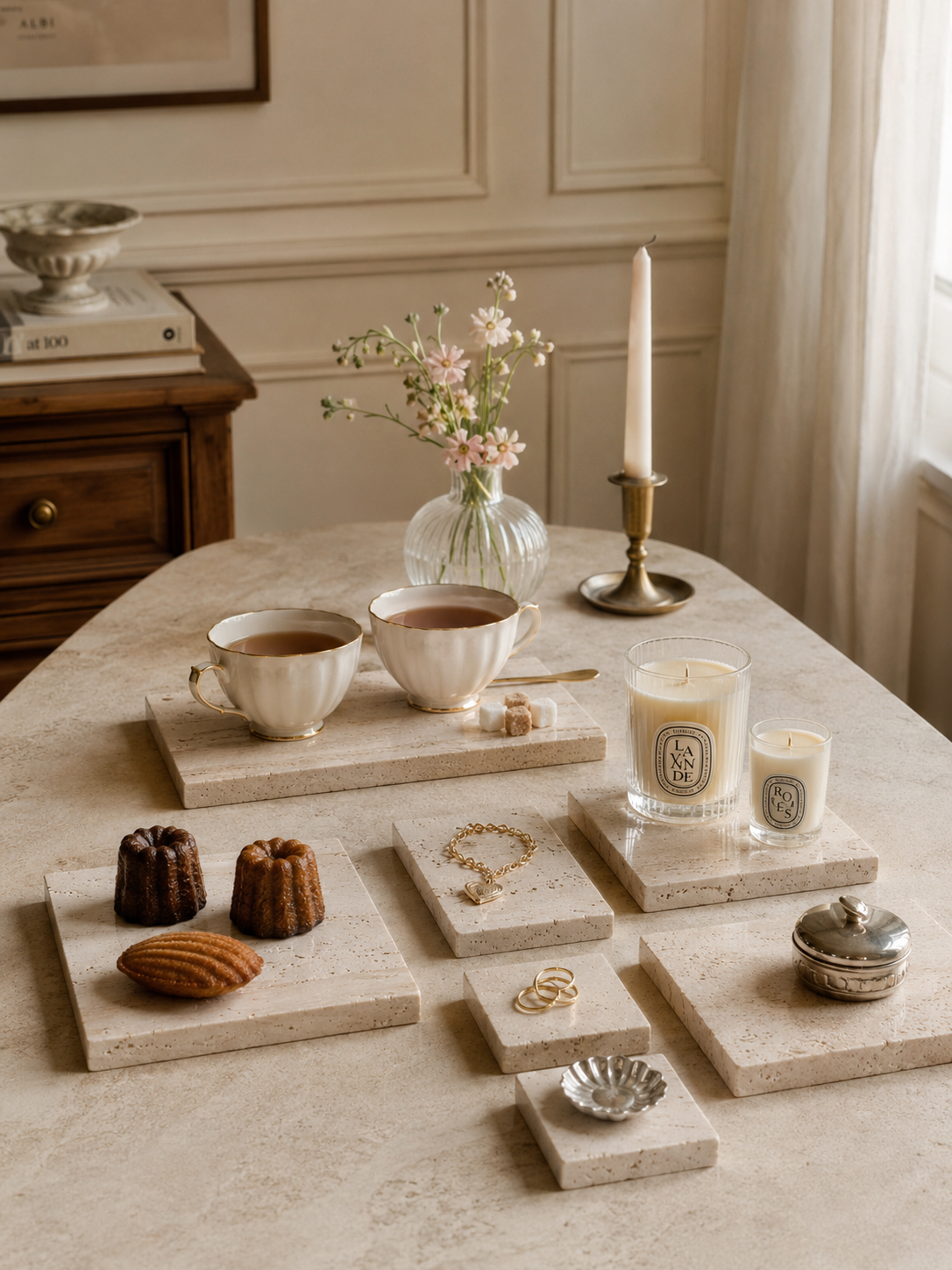
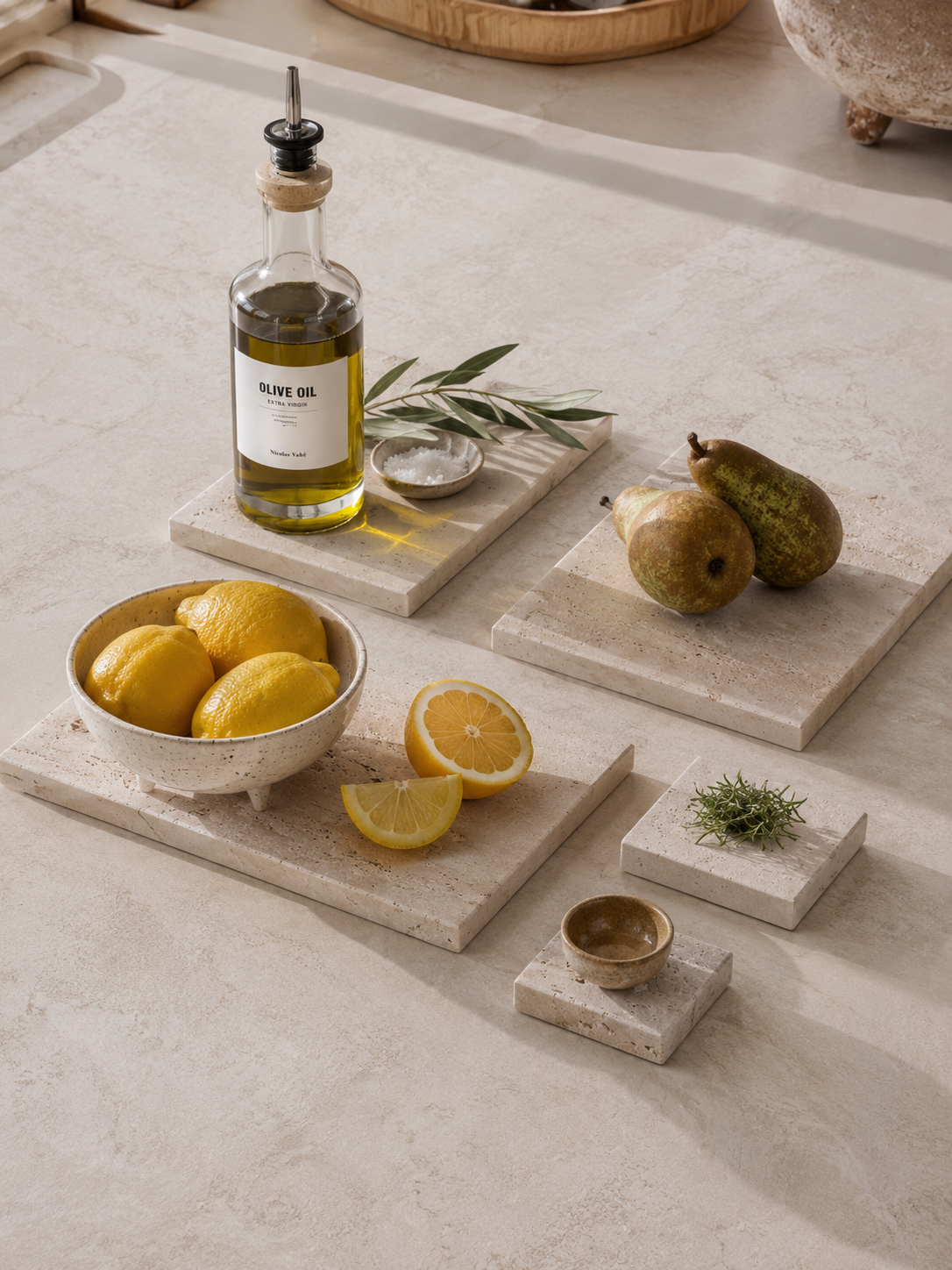
The fastest way to make a tray look styled rather than cluttered is restraint. Put one larger item on the tray — a footed bowl, a stack of oranges, a small vase — and let one or two small objects sit nearby. Then stop. The stone’s tone and grain are the decoration; you do not need to fill the space. Negative space is what makes the arrangement read as considered.
This is exactly why stylists reach for travertine: the matte, sandy surface holds a composition together without shouting. It sits naturally beside our Beige Travertine Luxury Entryway Tray and the Natural Travertine Round & Oval Tray if you want to build a coherent, stone-led table.
Pairing Travertine with Other Materials
Travertine’s warm, neutral palette is a bridge between cool and warm materials. It pairs most easily with:
- Linen — the texture contrast (soft cloth vs. solid stone) is instantly ‘designed’.
- Raw wood — both are natural and a little irregular, so they feel related.
- Brushed brass — a touch of warm metal lifts the stone without creating glare.
- Unglazed ceramic — matte meets matte; the scene stays calm.
Avoid high-shine neighbors (chrome, glass, glossy resin) right next to the tray; they compete and make the stone look dull by comparison. Let the matte natural stone lead, and the whole arrangement relaxes.
Caring for Your Travertine Tray in Three Steps
A natural stone tray is low-maintenance, but a tiny routine keeps it beautiful:
- Wipe after use with a soft, damp cloth.
- Dry promptly — do not leave it in standing water.
- Protect the seal: keep citrus juice, vinegar and other strong acids off the surface.
That is the whole routine. No special cleaner, no monthly coating. Travertine is a durable natural stone; treat it gently and it ages into a warmer, more personal object rather than a worn one. You can read how we seal every piece for daily life on our Materials page.
Dealing with Marks and Long-Term Patina
If a small mark appears, do not panic. A mild wipe with a damp cloth usually lifts it. Because travertine is a natural stone with an open, honest grain, the occasional light mark simply becomes part of its story — and that is part of the appeal. We are not chasing a flawless, factory-fresh look; we are keeping an object that feels real. Resist the urge to over-seal or over-polish. The best travertine trays are the ones that have been used.
Buying Guide: Which Size for Which Job
The Vintage Natural Travertine Serving Tray comes in fourteen variants, which sounds like a lot until you match size to task:
- 5×5 / 10×5 / 10×10 cm — condiments, keys, jewelry, single treats.
- 15×10 / 15×15 / 20×10 / 20×20 cm — pastries, cheese, side dishes.
- 25×12 / 25×25 / 30×20 cm — fruit platters, shared service, centerpieces.
- Round 10 / 15 / 20 / 25 cm — cakes, bowls, decorative rounds.
Most homes benefit from two sizes: a small one for daily catch-alls and a large one for the table. Buy a third and you can nest or layer them for a styled, layered look that changes with the season.
Why Natural Stone Is Worth the Small Effort
Ceramic and resin trays are cheaper and uniform, but they also disappear into the background of a room. A natural stone tray does the opposite: it has weight, temperature and grain that register even when you are not looking for them. On a styled table it reads as intentional; in a photograph it adds texture that makes a scene feel real. The few seconds of care it asks for are a fair trade for an object that stays relevant year after year.
Frequently Asked Questions
Where should I place a travertine serving tray at home?
Any flat, visible surface works: a kitchen counter for fruit, a dining table for shared service, an entryway for keys and mail, or an open shelf as quiet decor. Travertine reads as calm, so it suits most rooms.
How do I style a travertine tray so it looks intentional?
Follow the ‘one hero, few supports’ rule: put one larger item (a bowl, a stack of fruit, a vase) on the tray and let one or two small objects surround it. Leave negative space — the stone itself is the decoration.
What materials pair well with travertine?
Linen, raw wood, brushed brass and unglazed ceramic all sit comfortably next to travertine’s warm, sandy tone. Avoid competing shine; let the matte stone lead.
How do I clean and care for a travertine tray?
Wipe with a soft damp cloth, dry promptly, and keep citrus, vinegar and other strong acids off the surface. No soaking, no dishwasher. That simple routine keeps the seal and patina for years.
Which tray size should I buy for which job?
Small slabs (5×5 to 15×15 cm) suit condiments, jewelry and single treats; mid sizes (20×10 to 25×25 cm) hold cheese and side dishes; the largest (30×20 cm) and the rounds are for fruit platters and centerpieces.
Can a natural stone tray go in the dishwasher?
No. Sudden heat and prolonged water weaken the seal and can mark the stone. Hand-wipe only — it takes seconds and protects the tray for the long run.
Bring Natural Stone Into Daily Life
The Vintage Natural Travertine Serving Tray starts at just $9.90 across fourteen sizes. Pick the one that fits your counter today, and let the stone quietly upgrade the room around it.